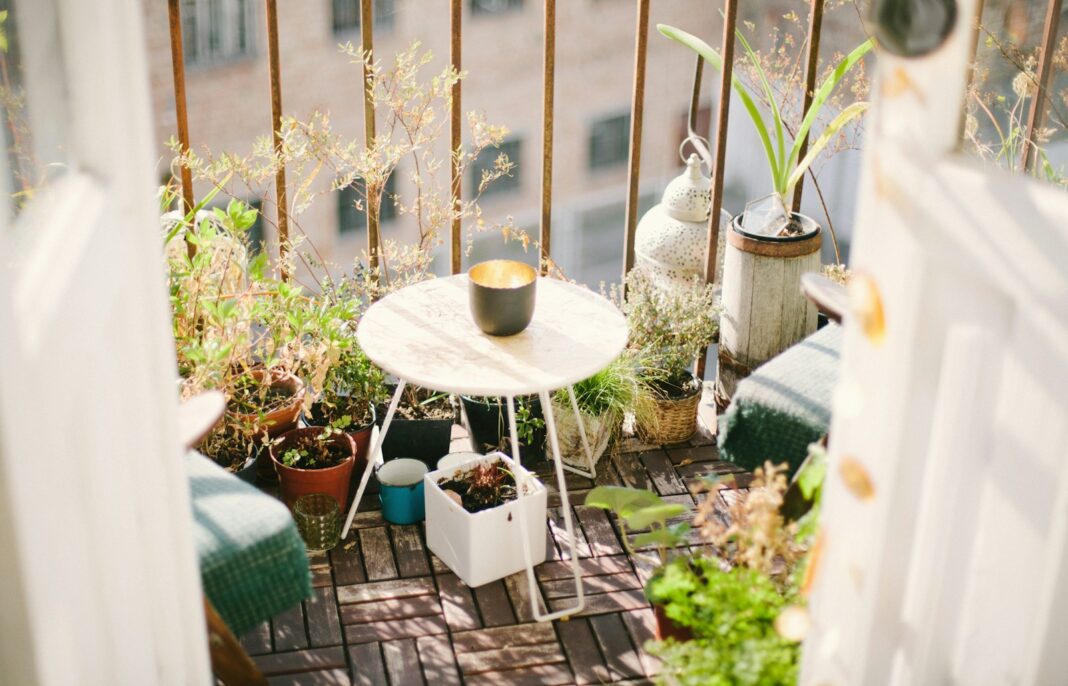

Imagine stepping out onto your balcony, surrounded by a lush oasis of greenery. With a little planning and some essential tools, you can transform your outdoor space into a vibrant garden retreat. In this complete guide, we’ll show you how to choose the right plants that thrive in containers, design your balcony garden for maximum beauty and functionality, and provide tips on soil, fertilizer, watering, maintenance, and troubleshooting common problems. Get ready to create your own urban paradise with our step-by-step instructions.
Choosing the Right Plants
When choosing the right plants for your balcony garden, it’s important to consider the amount of sunlight and space available. Plant selection is crucial in ensuring that your plants thrive in their new environment. Before making any decisions, take note of how much sunlight your balcony receives throughout the day. Some plants require full sun, meaning they need at least six hours of direct sunlight each day. Others do well in partial shade or even full shade conditions.
Once you have determined the amount of sunlight available, you can start selecting plants that match those requirements. For balconies with limited space, consider vertical gardening options such as climbing vines or hanging baskets that maximize the use of vertical space. Compact varieties like cherry tomatoes or dwarf fruit trees are also great choices for small balconies.
If your balcony receives ample sunlight, you have a wide range of options to choose from. Popular sun-loving plants include herbs like basil and rosemary, flowering annuals such as petunias and marigolds, and vegetables like peppers and zucchini.
Remember to also consider other factors besides sunlight when selecting plants for your balcony garden. Take into account factors like wind exposure, temperature fluctuations, and maintenance requirements to ensure successful plant growth and a beautiful balcony garden all year round!
Planning and Designing Your Balcony Garden
To make the most of your space, it’s important to carefully plan and design your balcony garden. With limited square footage, maximizing every inch is crucial. Here are three tips to help you create an efficient and beautiful balcony garden layout:
-
Vertical Gardening: Utilize the vertical space on your balcony by installing hanging baskets or wall-mounted planters. This not only adds more greenery but also saves valuable floor space.
-
Tiered Shelves: Consider adding tiered shelving units to display your plants in an organized manner. These shelves can be placed against a wall or in a corner, allowing you to showcase multiple plants without taking up too much space.
-
Multipurpose Furniture: Invest in furniture pieces that double as storage or planters. For example, choose a bench with built-in planters underneath or a coffee table with hidden compartments for gardening tools.
Essential Tools and Supplies
When it comes to starting your balcony garden, there are a few must-have gardening tools and essential planting supplies that you’ll need. First, you’ll want to invest in a good set of hand tools, including a trowel, pruners, and a weeder. These will help you with tasks like planting, trimming, and removing weeds. Additionally, make sure to stock up on essential planting supplies such as potting soil, compost or fertilizer, and plant markers to keep track of what you’ve planted.
Must-Have Gardening Tools
You’ll need a few must-have gardening tools for your balcony garden. Here are three essential tools that will help you make the most of your vertical and container gardening:
-
Hand Trowel: This small, handheld tool is perfect for digging and planting in your containers. Its narrow shape allows for precise placement of seeds or seedlings, making it ideal for working in tight spaces on your balcony.
-
Pruning Shears: Keep your plants healthy and tidy with a pair of pruning shears. These sharp cutting tools are essential for trimming back overgrown branches, deadheading flowers, and shaping your plants to maintain their desired size and appearance.
-
Watering Can: Proper hydration is crucial for the success of your balcony garden. Invest in a watering can with a long spout to easily reach all of your containers without causing water damage to your balcony floor or furniture.
With these must-have gardening tools, you’ll be well-equipped to create a thriving balcony garden using vertical and container gardening techniques.
Essential Planting Supplies
Make sure you have these essential planting supplies for your balcony garden. When it comes to container gardening, having the right tools can make all the difference in your success. First and foremost, invest in high-quality pots or containers with proper drainage holes to prevent waterlogged roots. You’ll also need potting soil that is lightweight and well-draining, allowing for healthy root growth. Consider adding vertical gardening elements like trellises or planters to maximize space and create a stunning visual display. Don’t forget about watering! A watering can or hose attachment with a gentle spray nozzle will help you provide consistent moisture to your plants without damaging delicate foliage. Lastly, include a small set of hand tools such as a trowel, pruners, and gloves for easy maintenance. With these essential planting supplies on hand, your balcony garden will flourish beautifully!
Soil and Fertilizer Tips
When it comes to starting a balcony garden, choosing the right soil is crucial for the success of your plants. You’ll want to select a well-draining soil mix that contains organic matter and nutrients. Additionally, understanding proper fertilizer application techniques and deciding between organic and synthetic options can greatly impact the health and growth of your plants.
Soil Selection Tips
To ensure optimal plant growth in your balcony garden, it’s important to choose the right type of soil. The soil you use should be well-draining and rich in nutrients. Here are three tips for selecting the perfect soil for your container garden:
-
Look for a potting mix specifically formulated for container gardening. These mixes are designed to provide proper drainage while retaining enough moisture for your plants.
-
Consider adding organic matter such as compost or peat moss to improve the soil’s fertility and water-holding capacity. This will help promote healthy root development and overall plant growth.
-
Check the pH level of the soil before planting. Most plants prefer slightly acidic to neutral pH levels (around 6-7). Adjusting the pH if necessary can make a big difference in how well your plants thrive.
Fertilizer Application Techniques
You can enhance the effectiveness of your fertilizer by applying it directly to the soil around your plants. When it comes to fertilizer types, there are two main categories: organic and synthetic. Organic fertilizers are derived from natural sources such as compost or animal manure, while synthetic fertilizers are chemically manufactured. Both types have their benefits, so choose one that suits your gardening preferences.
The frequency of fertilizer application depends on the specific needs of your plants. Generally, it is recommended to apply fertilizer every four to six weeks during the growing season. However, always read the instructions on the packaging for specific guidelines.
To apply the fertilizer, simply sprinkle it evenly around each plant’s base and gently work it into the top layer of soil using a small garden tool or your hands. Be careful not to over-fertilize as this can harm your plants. Remember, proper application and timing will help ensure healthy growth and vibrant blooms in your balcony garden.
Organic Vs. Synthetic Options
There are benefits to using both organic and synthetic fertilizers in your garden, so choose the one that suits your preferences. Here are three reasons why synthetic options can be beneficial for your balcony garden:
-
Quick-release nutrients: Synthetic fertilizers typically contain higher concentrations of essential nutrients like nitrogen, phosphorus, and potassium. This means that plants can readily absorb these nutrients, promoting faster growth and development.
-
Controlled nutrient ratios: Synthetic fertilizers allow you to customize the nutrient ratios based on your plants’ specific needs. You can easily adjust the amounts of nitrogen, phosphorus, and potassium to optimize plant health and productivity.
-
Convenience: Synthetic fertilizers often come in easy-to-use granular or liquid forms that require minimal preparation or mixing. They also tend to have a longer shelf life compared to organic alternatives.
While organic farming has its own advantages, considering the benefits of synthetic options can help you make an informed decision for your balcony garden’s fertilizer needs.
Watering and Maintenance
Make sure to regularly check the moisture levels of your plants’ soil and adjust your watering schedule accordingly. Watering frequency is crucial for the health and growth of your balcony garden. Different plants have different water requirements, so it’s important to understand the needs of each individual plant. As a general rule, most plants prefer evenly moist soil but not soggy or waterlogged conditions.
To determine if your plants need watering, stick your finger about an inch into the soil. If it feels dry at that depth, it’s time to water. During hot summer months, you may need to water more frequently as evaporation rates increase. On the other hand, during cooler seasons or rainy periods, you might need to reduce watering frequency.
In addition to regular watering, proper maintenance is essential for a thriving balcony garden. Keep an eye out for pests like aphids or spider mites that can damage your plants. To control these pests organically, use insecticidal soaps or neem oil sprays which are effective and safe for both you and the environment.
Regularly inspecting your plants for signs of disease or nutrient deficiencies is also important. Prune any dead or damaged leaves and provide appropriate fertilization based on the specific needs of each plant species.
Troubleshooting Common Garden Problems
If plants are showing signs of yellowing leaves, it could indicate a nutrient deficiency that needs to be addressed. Yellowing leaves are often a result of plants not receiving enough essential nutrients, such as nitrogen, iron, or magnesium. Here are three steps you can take to troubleshoot and address this common garden problem:
-
Soil Testing: Start by conducting a soil test to determine the nutrient levels in your balcony garden. This will help you identify any deficiencies and guide you in choosing the right fertilizers or soil amendments.
-
Fertilizer Application: Once you know which nutrients are lacking, apply a suitable fertilizer to replenish them. Choose an organic option that is rich in the specific nutrients your plants need. Follow the instructions on the packaging for proper application rates.
-
Regular Maintenance: To prevent future nutrient deficiencies, make sure to maintain proper watering and feeding schedules for your plants. Keep an eye out for any signs of stress or discoloration and address them promptly.
In addition to addressing nutrient deficiencies, it’s crucial to implement effective pest control and disease prevention measures in your balcony garden. Regularly inspect your plants for pests like aphids or mites and take appropriate action if necessary, such as using organic insecticides or introducing beneficial insects like ladybugs.
Frequently Asked Questions
How Do I Deal With Pests and Insects in My Balcony Garden?
To deal with pests and insects in your balcony garden, you can use natural pest control methods. One effective strategy is planting companion plants that repel pests. These plants can help keep your garden healthy and pest-free.
Can I Grow Vegetables and Herbs in My Balcony Garden?
Yes, you can definitely grow vegetables and herbs in your balcony garden! Container gardening is perfect for small spaces. Choose balcony-friendly plants like tomatoes, peppers, lettuce, basil, and mint. Just make sure they get enough sunlight and water.
What Are Some Creative Ways to Maximize Space in a Small Balcony Garden?
To maximize space in a small balcony garden, get creative! Use vertical gardening techniques to stack plants and hang planters for added greenery. This will make the most of your limited space and create a lush oasis.
How Do I Protect My Plants From Extreme Weather Conditions?
To protect your plants from extreme weather conditions, you can use techniques like providing shade with umbrellas or installing a small greenhouse. Make sure to water them properly, adjusting the frequency based on the weather and plant needs.
Are There Any Specific Safety Measures I Should Consider for My Balcony Garden?
When starting your balcony garden, safety precautions are essential. Consider installing sturdy railings or mesh to prevent accidents. Equip yourself with necessary tools like gloves and goggles to protect against potential hazards.
Conclusion
In conclusion, starting a balcony garden can be a rewarding and fulfilling experience. By choosing the right plants for your space, planning and designing with creativity, and using essential tools and supplies, you can create a thriving oasis right outside your door. Remember to pay attention to soil quality, fertilize regularly, and water diligently to ensure healthy growth. And if any problems arise, troubleshoot them promptly to keep your garden flourishing. So why wait? Start your balcony garden today and watch as nature transforms your space into something truly magical.

