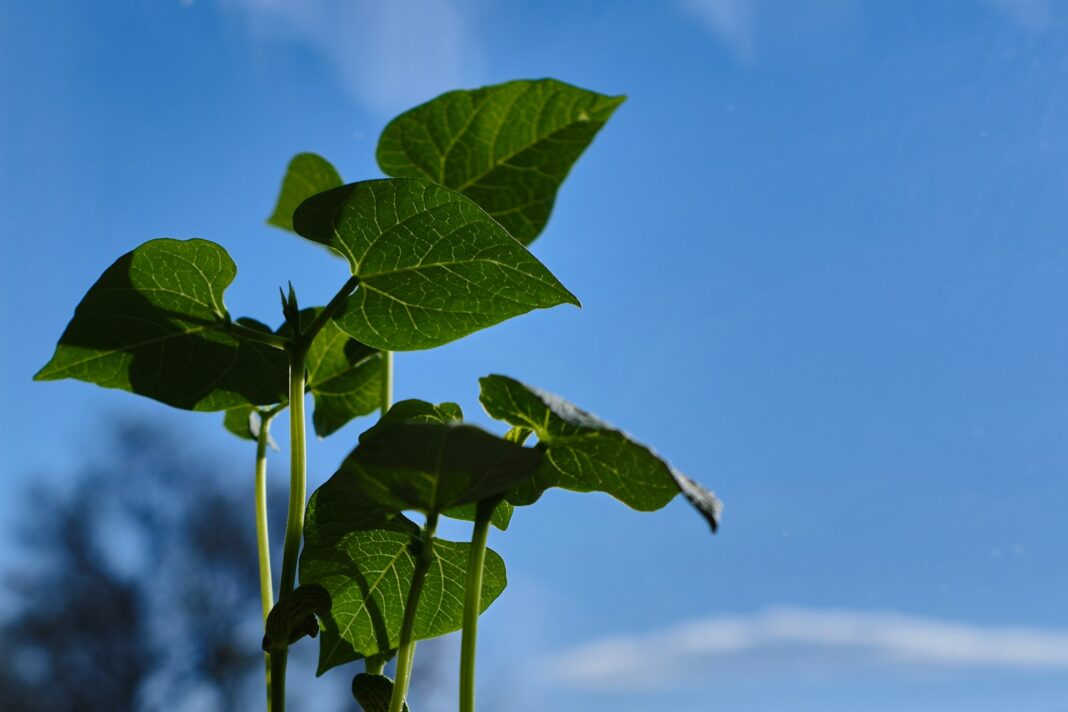

Ready to take your gardening skills to the next level? Look no further than "The Complete Guide to Growing Adzuki Beans at Home." In this informative article, we’ll walk you through everything you need to know about choosing the right variety of adzuki beans, preparing your soil, and even managing pests and diseases. With our detailed instructions and expert tips, you’ll be harvesting and storing your own delicious adzuki beans in no time. Let’s get started!
Choosing the Right Variety of Adzuki Beans
When choosing the right variety of adzuki beans, it’s important to consider factors such as climate and growth habits. Different types of adzuki beans are suitable for specific growing conditions, so selecting the appropriate one is crucial for a successful harvest. Adzuki beans come in various varieties, each with its own unique characteristics and requirements.
For cooler climates with shorter growing seasons, look for early-maturing adzuki bean varieties that can withstand lower temperatures. These varieties typically have a shorter time to maturity, allowing you to enjoy your harvest sooner. On the other hand, if you live in a region with hot summers and longer growing seasons, opt for heat-tolerant varieties that can thrive in higher temperatures.
Another factor to consider is the growth habit of the adzuki bean variety. Some varieties are bush-type plants that stay compact and require less space in your garden or container. These are ideal for small gardens or limited spaces. Other varieties are vining types that require trellises or support structures to grow properly. These can be trained vertically to save space and maximize yield.
To maximize both yield and flavor of your adzuki beans, ensure they receive adequate sunlight throughout the day – at least 6 hours is recommended. Additionally, provide well-drained soil enriched with organic matter for optimal growth. Regular watering is essential during dry periods but avoid overwatering as this can lead to root rot.
Preparing the Soil for Planting Adzuki Beans
To prepare the soil for planting adzuki beans, you’ll need to loosen it and remove any rocks or debris. Here are some essential soil preparation techniques that will help ensure the success of your adzuki bean plants:
-
Loosen the soil: Use a garden fork or tiller to break up compacted soil. Adzuki beans thrive in loose, well-draining soil, so make sure to work the tool deeply into the ground.
-
Remove rocks and debris: Clear away any stones, sticks, or other obstructions from the planting area. These can impede root growth and hinder proper drainage.
-
Test and amend the pH: Adzuki beans prefer slightly acidic to neutral soil with a pH between 6 and 7. If your soil is too acidic (below 6) or alkaline (above 7), adjust it by adding organic matter such as compost or peat moss.
-
Add organic matter: Incorporate well-rotted compost or aged manure into the top few inches of soil to improve its fertility, structure, and water-holding capacity.
Planting Adzuki Beans: Seeding and Spacing
After loosening and preparing the soil, you’ll want to plant adzuki beans by seeding them and giving them proper spacing. Adzuki beans are a versatile and nutritious crop that can be easily grown at home. To ensure successful growth, it is important to follow the correct planting techniques.
Start by selecting a sunny location in your garden with well-draining soil. Adzuki beans prefer warm temperatures, so wait until all danger of frost has passed before planting. You can sow the seeds directly into the soil or start them indoors and transplant later.
When seeding adzuki beans, make sure to space them properly. Plant each seed about 1 inch deep and leave around 4-6 inches between each seed. This spacing will allow adequate airflow and prevent overcrowding as the plants grow.
Intercropping adzuki beans with other plants can also maximize space utilization and promote healthy growth. Some companion plants for adzuki beans include corn, cucumbers, and squash. These plants provide shade to the adzuki bean vines while also attracting beneficial insects that help control pests.
Caring for Adzuki Bean Plants: Watering and Fertilizing
Make sure you regularly water and fertilize your adzuki bean plants to promote healthy growth and maximize their yield. Adzuki bean plant maintenance is crucial for the success of your crop. Here are some key tips to keep in mind:
-
Pruning and trellising: Adzuki beans are vining plants that can grow up to 2 feet tall. To ensure proper airflow and prevent diseases, prune any dead or diseased leaves or branches. Additionally, provide support with a trellis or stakes to help the plants climb and avoid tangling.
-
Watering mistakes to avoid: Overwatering is a common mistake that can lead to root rot and poor growth. Instead, water deeply but infrequently, allowing the top inch of soil to dry out between watering sessions. Avoid wetting the foliage as this can increase the risk of fungal diseases.
-
Proper watering technique: When watering your adzuki beans, focus on delivering water directly to the base of the plant rather than spraying it all over. This ensures that the moisture reaches the roots where it’s needed most.
-
Fertilizing for optimal growth: Adzuki beans thrive in nutrient-rich soil, so apply a balanced fertilizer during planting time and then again every four weeks throughout the growing season. This will provide them with essential nutrients for vigorous growth and high yields.
Managing Pests and Diseases in Adzuki Bean Plants
When managing pests and diseases in your adzuki bean plants, it’s important to regularly inspect the leaves and stems for any signs of infestation or infection. Prevention is key when it comes to fungal infections, as they can quickly spread and cause serious damage to your plants. To prevent fungal infections, make sure your adzuki bean plants have proper air circulation by spacing them adequately apart. Avoid overhead watering, as this can create a moist environment that fungi thrive in. Instead, water at the base of the plant using a drip irrigation system or a watering can with a spout. Additionally, mulching around the base of your plants can help prevent soil-borne fungal diseases by reducing splashing during rainfall.
In terms of natural pest control methods, there are several options available. One effective method is companion planting. Planting marigolds near your adzuki bean plants can repel pests such as aphids and nematodes due to their strong scent. Another option is using insecticidal soap or neem oil sprays which are effective against many common pests like aphids and spider mites.
Harvesting and Storing Adzuki Beans
To ensure optimal flavor and texture, it’s important to harvest adzuki beans when they are fully mature and dry. Here’s a step-by-step guide on how to harvest and store your adzuki beans:
-
Timing is crucial: Adzuki beans should be left on the plant until the pods turn brown and dry. This indicates that the beans inside have reached full maturity. Harvesting too early can result in underdeveloped beans with a bland taste.
-
Pick carefully: Gently remove the dried bean pods from the plant, being careful not to damage them or break open the pods prematurely. You can use pruning shears or simply twist off the pods by hand.
-
Threshing: Once you have gathered all the bean pods, it’s time to separate the beans from their pods. Place them in a clean cloth sack or pillowcase and gently beat or rub them together until the beans fall out of their husks.
-
Storage: Store your harvested adzuki beans in an airtight container, preferably glass jars with tight-fitting lids, in a cool, dark place like a pantry or cellar. Properly stored adzuki beans can last up to one year.
Adzuki beans are not only delicious but also packed with health benefits! They are rich in protein, fiber, iron, magnesium, and folate while being low in fat and calories. Incorporating adzuki bean recipes into your diet can help promote heart health, regulate blood sugar levels, aid digestion, and support weight management. So go ahead and enjoy this nutritious legume!
Frequently Asked Questions
Can Adzuki Beans Be Grown in Containers or Do They Require a Large Garden Space?
You can definitely grow adzuki beans in containers if you don’t have a large garden space. They are well-suited for container gardening and don’t require much space, making them a great option for small-scale home cultivation.
How Long Does It Take for Adzuki Beans to Germinate and Start Sprouting?
Adzuki beans typically take around 7-10 days to germinate and start sprouting. It’s important to provide them with optimal growing conditions such as moist soil, warm temperature, and sufficient sunlight for successful germination.
Can Adzuki Beans Tolerate Frost or Do They Need to Be Planted in Warm Climates?
Adzuki beans, like other frost-tolerant plants, can withstand cold temperatures. However, they thrive best in warm climates with temperatures between 70-90°F. So if you’re planting them at home, ensure they get the optimal temperature for growth.
Are Adzuki Beans a Good Option for Beginner Gardeners or Do They Require More Advanced Gardening Skills?
Adzuki beans are a great option for beginner gardeners. They can be grown in small gardens and require basic gardening skills. Benefits include high yield, nutritional value, and the ability to fix nitrogen in the soil. Tips for success: provide well-drained soil, full sun, and regular watering.
Can Adzuki Beans Be Grown in Regions With High Humidity or Do They Prefer Drier Climates?
In regions with high humidity, growing adzuki beans can be challenging due to increased risk of fungal diseases. However, in drier climates, they thrive and benefit from the warm temperatures and well-drained soil.
Conclusion
Congratulations! You have now become an expert in growing adzuki beans at home. By following this complete guide, you have learned how to choose the right variety of adzuki beans and prepare the soil for planting. You have mastered the art of seeding and spacing, as well as caring for your bean plants through proper watering and fertilizing techniques. Additionally, you have gained knowledge on managing pests and diseases effectively. Now, go forth and enjoy a bountiful harvest of these little red gems that will surely add a touch of sweetness to your meals like a sprinkle of fairy dust.

