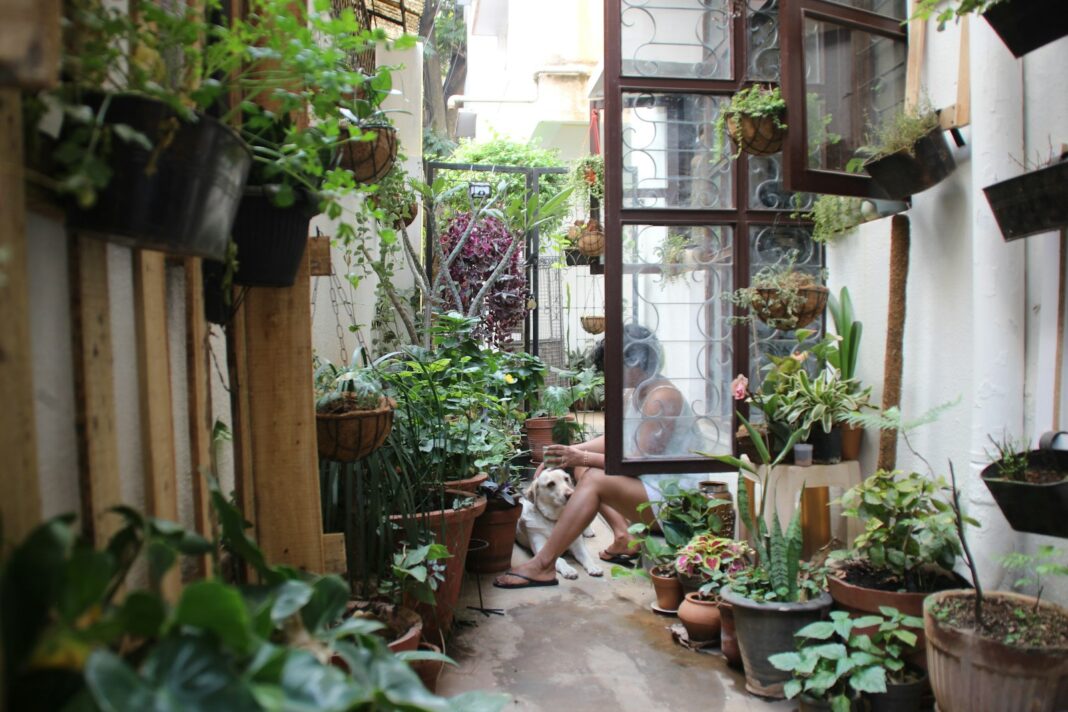

Don’t let limited space deter you from enjoying the beauty and benefits of gardening. You might be thinking, "How can I possibly have a thriving garden in such a small area?" Well, we’re here to show you that with the right design rules, even the tiniest spaces can become lush and green havens. In this article, we’ll guide you through practical tips and techniques for maximizing your small space garden’s potential. Get ready to transform your limited outdoor area into a flourishing oasis!
Utilizing Vertical Space
You can maximize your small garden by utilizing vertical space with hanging planters and trellises. Vertical planters are a great way to grow plants in a limited space. They allow you to take advantage of the vertical walls or fences in your garden, giving you more room for planting. Hanging gardens are another option for utilizing vertical space. You can hang baskets or pots from hooks or install a wall-mounted planter system to create a beautiful display of cascading flowers and foliage.
When choosing vertical planters, opt for ones that are sturdy and have good drainage. This will ensure that your plants thrive and prevent any waterlogging issues. Hang them at different heights to create an aesthetically pleasing design.
Trellises are another effective way to utilize vertical space in your garden. They provide support for climbing plants like tomatoes, cucumbers, and pole beans. By training these plants to grow vertically along the trellis, you can save valuable ground space while allowing them to receive optimal sunlight.
Choosing the Right Containers
When choosing containers for your garden, there are two key points to consider: container size and material choices. Container size considerations are important because they determine how much space your plants will have to grow and thrive. Additionally, the material of the container can impact factors such as moisture retention and durability, so it’s crucial to make informed choices based on your specific needs and preferences.
Container Size Considerations
Container size is an important factor to consider when designing a small space garden. Maximizing space is crucial, and choosing the right container size can help you make the most of your limited area. When selecting containers, think about plant placement and how much room each plant needs to grow. Larger plants may require bigger containers to accommodate their roots and provide stability. On the other hand, smaller plants or herbs can thrive in compact pots or hanging baskets. Remember that overcrowding can impede growth, so allow enough space between plants for proper air circulation and sunlight exposure. By carefully considering container size and plant placement, you can create a functional and visually appealing small space garden that maximizes every inch of available area.
Material Choices for Containers
Consider using materials such as ceramic, plastic, or metal for your containers. When it comes to choosing the right material for your small space garden containers, there are a few factors to consider. First and foremost, you want something lightweight so that it is easy to move around if needed. Plastic containers are a popular choice because they are lightweight and affordable. Additionally, they come in various sizes and designs to suit your gardening needs. Another option is ceramic containers, which add a touch of elegance to your garden. However, keep in mind that these can be heavier than plastic options. If you’re looking for environmentally friendly choices, consider repurposed materials like old buckets or crates. With some creativity and a little DIY effort, you can transform these materials into unique and functional containers for your plants.
Selecting Compact and Dwarf Varieties
To make the most of your small space garden, you should choose compact and dwarf varieties. These plants are specially bred to grow in containers and take up less space, making them perfect for container gardening. Here are four reasons why selecting compact and dwarf varieties is a smart choice:
-
Space-saving: Compact plants have a smaller footprint, allowing you to fit more plants into your limited space. Dwarf varieties, on the other hand, have shorter heights, so they won’t overwhelm your garden and block sunlight from reaching other plants.
-
Easy maintenance: Since these plants are smaller in size, they require less water and fertilizer compared to their larger counterparts. This makes them low-maintenance options for busy gardeners or those with limited time.
-
Versatility: Compact and dwarf varieties can be grown in various types of containers such as pots, hanging baskets, or window boxes. This flexibility allows you to create a beautiful garden even if you don’t have a lot of ground space.
-
Aesthetically pleasing: Despite their small size, compact and dwarf varieties often produce an abundance of flowers or fruits that add color and visual interest to your small space garden.
Maximizing Sunlight Exposure
To maximize sunlight exposure in your small space garden, there are a few key strategies you can employ. First, consider using reflective surfaces and mirrors strategically placed around your garden to bounce light onto your plants. Second, vertical planting strategies such as trellises or hanging baskets can help maximize the amount of sunlight reaching each plant. Lastly, take advantage of natural light sources by positioning your garden near windows or doors that receive ample sunlight throughout the day. By implementing these techniques, you can ensure that your plants receive optimal sunlight for healthy growth and productivity.
Reflective Surfaces and Mirrors
Using reflective surfaces like mirrors can help maximize sunlight in small space gardening. Here are four ways you can make the most of this technique:
- Place mirrors strategically: Position mirrors at angles where they can reflect sunlight onto your plants, especially in areas with limited natural light.
- Use glass or metallic containers: Opt for pots and containers made of these materials, as they naturally reflect light and help distribute it more evenly.
- Hang a mirrored backdrop: Attach a large mirror to a wall or fence behind your garden to create the illusion of space and bounce light back onto your plants.
- Combine with artificial lighting: Supplement natural sunlight with artificial lighting, such as LED grow lights, to ensure consistent illumination throughout the day.
Vertical Planting Strategies
Vertical planting is a great way to maximize the use of limited garden space. When you have a small garden, it’s important to think creatively about how you can grow more plants without taking up too much ground space. Hanging planters and trellis systems are two effective strategies for vertical planting.
Hanging planters are a practical solution for small gardens as they allow you to hang plants from walls, fences, or even overhead structures. You can choose from a variety of hanging planters that come in different shapes and sizes, allowing you to create an attractive display while saving precious floor space.
Trellis systems are another excellent option for vertical planting. These structures provide support for climbing plants such as cucumbers, tomatoes, or beans. By training these plants to grow upwards on trellises, you can make efficient use of your vertical space and achieve higher yields.
Utilizing Natural Light Sources
Natural light is essential for the growth and health of plants in any garden. When it comes to indoor gardening, harnessing natural light sources can be a game-changer. Here are four benefits of utilizing natural light for your indoor garden:
-
Promotes Photosynthesis: Natural sunlight provides the necessary energy for plants to perform photosynthesis, converting light into food.
-
Enhances Plant Health: Sunlight helps plants produce strong stems, vibrant leaves, and colorful blooms. It also boosts their immune system, making them more resistant to pests and diseases.
-
Improves Nutrient Absorption: Natural light aids in the absorption of essential nutrients from soil or water by stimulating root activity.
-
Regulates Growth Patterns: Exposure to natural light helps regulate plant growth patterns, promoting proper development and preventing leggy or weak growth.
Implementing Creative Plant Arrangements
When planning your small space garden, don’t be afraid to get creative with how you arrange your plants. Maximizing limited space is crucial, and one way to do this is by using creative planters. Instead of traditional pots or containers, think outside the box and consider repurposing items like old mason jars, hanging shoe organizers, or even vertical wall gardens.
By utilizing these unique planters, you can maximize vertical space and add visual interest to your garden. Hang a shoe organizer on a sunny wall and fill each pocket with herbs or flowers. Not only will this save valuable floor space but it will also provide easy access to fresh ingredients for cooking.
Another clever idea is to use old mason jars as mini herb gardens. Attach them to a wooden board mounted on the wall or hang them from hooks in your kitchen window. This not only adds greenery but also brings a rustic charm to your small space.
Vertical wall gardens are another fantastic option for small spaces. By attaching planters directly onto the walls or using hanging baskets, you can create a lush oasis without taking up precious floor area.
Incorporating Functional and Aesthetic Elements
Now that you have learned about implementing creative plant arrangements, it’s time to explore how to incorporate functional and aesthetic elements into your small space garden. By doing so, you can create a beautiful and efficient outdoor oasis. Here are four tips to help you get started:
-
Colorful Plant Combinations: Choose plants with vibrant colors that complement each other. Consider using contrasting hues or harmonious shades to create visual interest in your garden.
-
Incorporating Decorative Elements: Add decorative elements such as statues, birdbaths, or garden ornaments to enhance the aesthetics of your small space garden. These elements can serve as focal points and add personality to the overall design.
-
Vertical Gardening: Utilize vertical space by installing trellises or hanging baskets. This will not only maximize your planting area but also create an eye-catching display of cascading flowers or climbing vines.
-
Multi-purpose Furniture: Opt for furniture pieces that serve multiple functions, such as storage benches or folding chairs with built-in planters. This way, you can save space while adding both functionality and beauty to your garden.
Frequently Asked Questions
How Often Should I Water My Plants in a Small Space Garden?
You should water your plants in a small space garden based on a watering schedule. To maximize water efficiency, consider using techniques like drip irrigation and mulching. Follow these tips to keep your plants healthy and thriving.
What Are Some Common Pests and Diseases That Affect Plants in Small Space Gardens?
In small space gardens, common pests and diseases can wreak havoc on your plants. But fear not! With effective pest control methods, you can keep these pesky invaders at bay and ensure a thriving garden.
Can I Grow Herbs and Vegetables Together in a Small Space Garden?
Yes, you can grow herbs and vegetables together in a small space garden. Companion planting benefits both plants by deterring pests and maximizing space. Vertical gardening techniques like trellises and hanging baskets further optimize your garden’s potential.
How Do I Prevent Overcrowding of Plants in a Small Space Garden?
To prevent overcrowding in your small space garden, focus on maximizing space utilization. Carefully plan the layout, considering plant sizes and growth rates. Prune regularly to maintain proper spacing and avoid competition for resources.
Are There Any Specific Pruning Techniques I Should Follow for Maintaining Plants in a Small Space Garden?
To maintain plants in a small space garden, follow specific pruning techniques. Pruning helps control growth and prevent overcrowding. Regularly trim branches, remove dead or damaged foliage, and shape plants to maximize space while promoting healthy growth.
Conclusion
In conclusion, when it comes to small space gardening, there are several design rules that can help you make the most of your limited area. By utilizing vertical space and choosing the right containers, you can create a thriving garden even in a small balcony or patio. Selecting compact and dwarf varieties will ensure that your plants don’t outgrow their space. Maximizing sunlight exposure is crucial for their growth, so consider placing your garden in a sunny spot. Lastly, incorporating functional and aesthetic elements will add beauty and practicality to your small garden. Remember, Rome wasn’t built in a day, so take it slow and enjoy the process of creating your mini oasis!

